Abrasive Mineralogy
Quartz and other hard minerals change wear rate and the value of alloy protection.
Grinding media engineered around ore, mill and circuit performance.
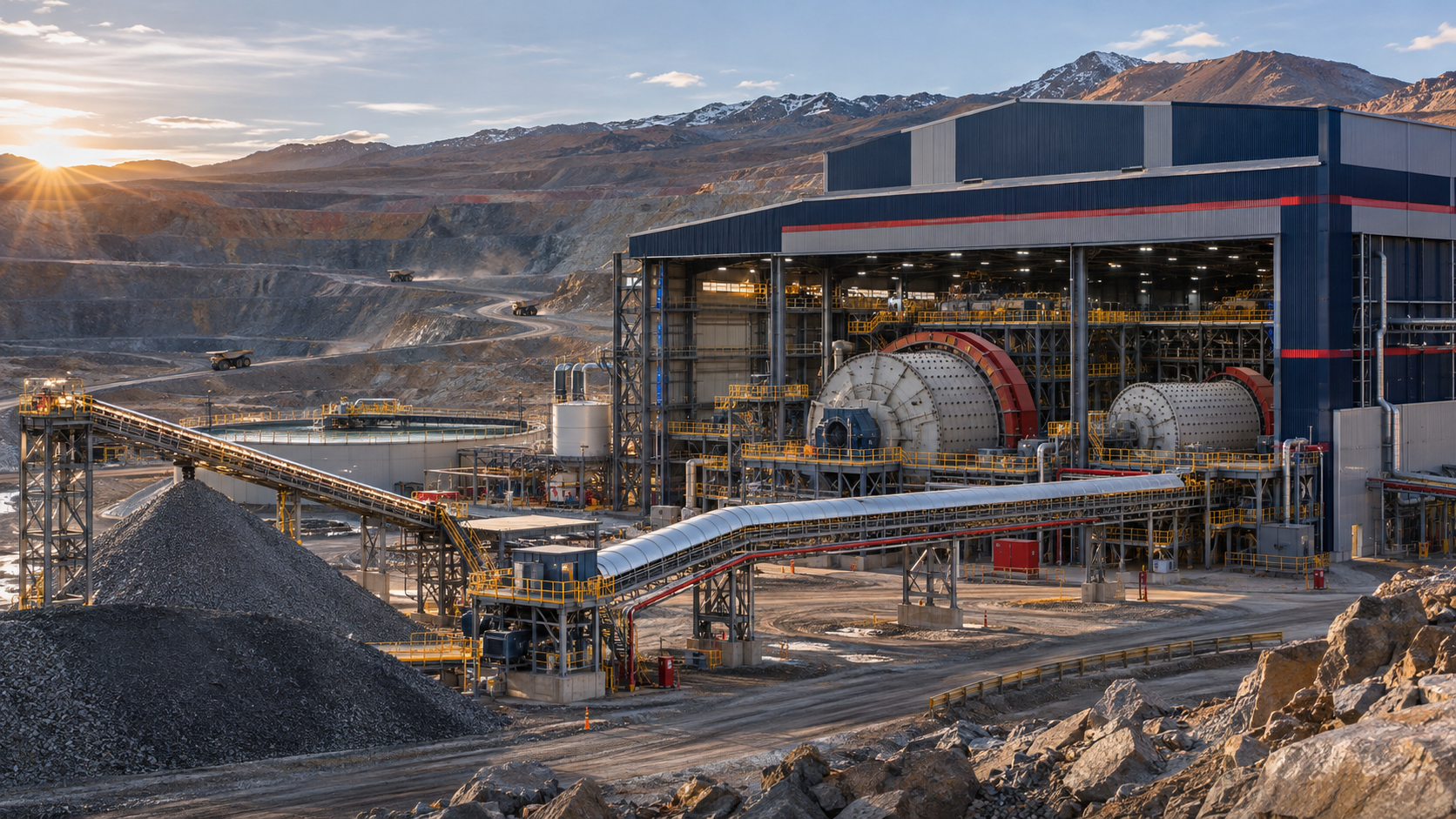 MINING / MINERAL PROCESSING
A mining circuit can move from impact-dominant coarse feed to highly abrasive, corrosive duty as mineralogy and operating conditions change. Huafeng structures media selection around the complete grinding environment—not hardness in isolation.
Four operating mechanisms usually determine the balance between wear life, integrity and process cost.
Quartz and other hard minerals change wear rate and the value of alloy protection.
Feed size, mill diameter, speed, filling and liner condition influence impact severity.
Water, pH, solids and reagents can add a corrosive component to mechanical wear.
Throughput, product size, recovery and downstream sensitivity define the result that matters.
| Material | Ore type, mineralogy, abrasiveness, feed and target product size |
|---|---|
| Mill | Type, diameter, length, speed, power, liners and operating load |
| Environment | Wet or dry, solids, pH, water quality and reagent regime |
| Baseline | Current media grade, size mix, addition rate, breakage and consumption |
| Objective | Wear cost, integrity, throughput, recovery or operational stability |
A credible result requires a baseline, transition plan and production-normalized data.
Agree current additions, production and operating conditions.
Define grade, size mix, packaging and acceptance evidence.
Account for purge and mixed-media inventory.
Track additions, breakage, throughput and relevant recovery data.
Normalize results and agree the next production decision.
Final selection depends on the actual impact, abrasion and corrosion balance.
Share the mill, feed, current media and improvement target. Our team will help organize the next technical conversation.
Submit Operating Data ↗