


Abrasion & Impact
Review ore abrasiveness, feed size, liner profile, drop height and abnormal impacts.
Alloy cast media for abrasion-dominant grinding duties where chemistry, structure and process integrity must work together.
Cast grinding-ball performance depends on hard phases, the supporting metallic matrix, solidification integrity and heat-treated condition. The commercial label is only the beginning of a specification.
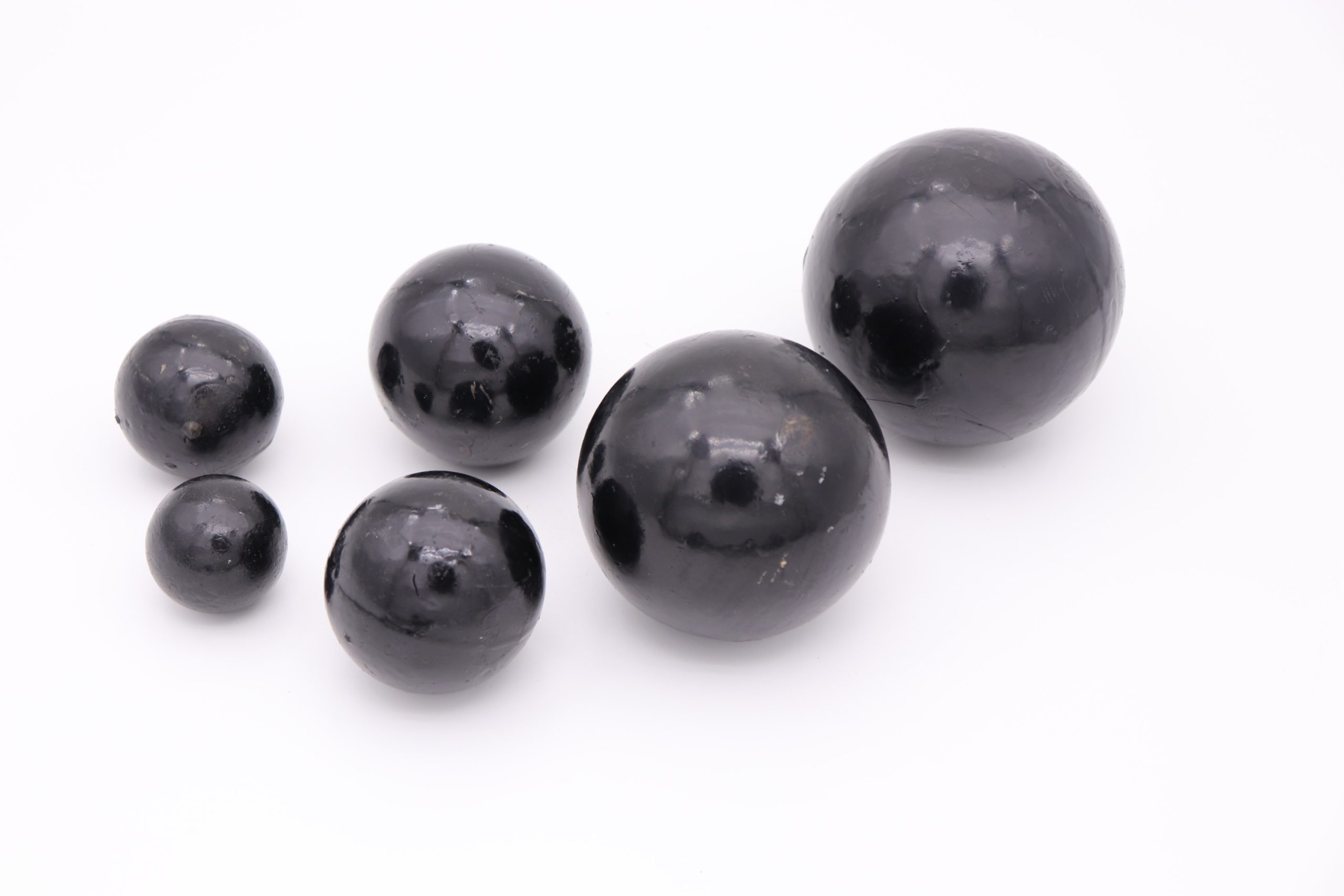
| Commercial Family | Decision Focus | Typical Verification |
|---|---|---|
| High-chromium cast balls | Abrasion and corrosion resistance with impact limits reviewed | Chemistry, hardness, metallography, integrity and wear |
| Medium-chromium cast balls | Balance between cost, wear and structural integrity | Agreement-specific chemistry, hardness and field trial |
| Low-chromium cast balls | Operating economics under defined impact and corrosion | Matrix, hardness consistency, breakage and total cost |
Huafeng’s public materials reference ductile iron grinding-ball products. CADI routes are considered where strength, toughness, wear resistance and fatigue behavior need to be balanced. Final suitability remains dependent on ball size, impact level and site validation.
Review ore, slurry chemistry, media size and impact level.
Match compartment, grading, fineness and throughput.
Consider coal properties, dry duty and continuous operation.
Evaluate contamination sensitivity and material abrasiveness.
| Product | Ball type, nominal diameter, tolerance and size mix |
|---|---|
| Material | Chemistry window, heat-treated condition and agreed structure |
| Testing | Hardness location, sampling, integrity and acceptance method |
| Batch | Heat, heat-treatment lot, report, packaging and marking |
| Trial | Mill, duration, addition method, baseline and reporting basis |
Material grade is only one input. The final decision should connect alloy design with ball size, mill energy and the operating environment.
Review ore abrasiveness, feed size, liner profile, drop height and abnormal impacts.
Slurry solids, pH, water chemistry and reagents can change the wear mechanism.
Nominal diameter and charge distribution influence contact, energy and media circulation.
Matrix condition, carbide distribution and residual stress depend on controlled processing.
Compare adjacent product routes before finalizing material, size, test and delivery requirements.
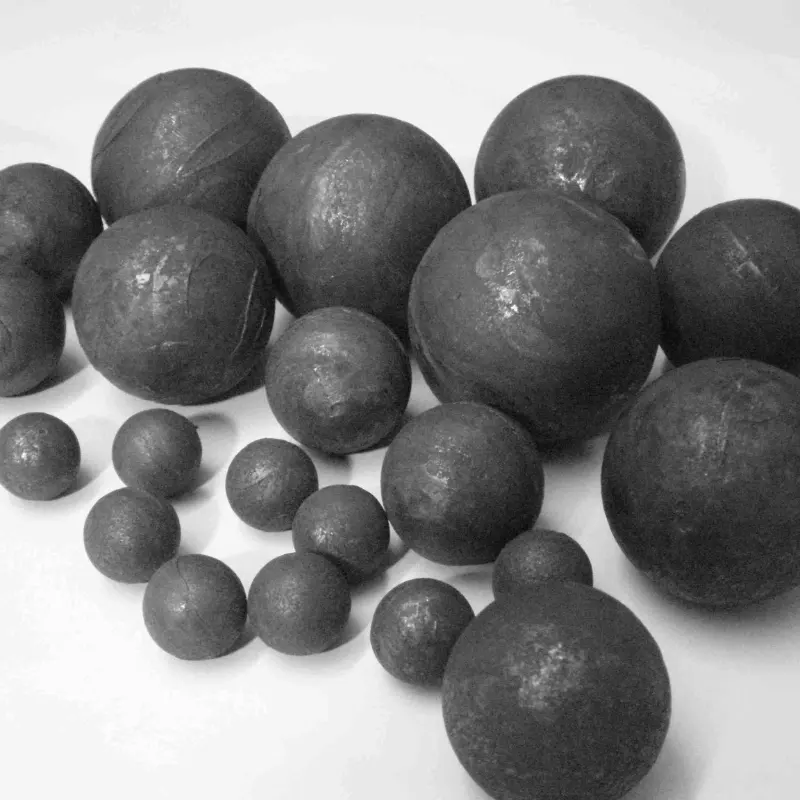
Steel media where impact integrity and larger diameter lead the decision.
View product ↗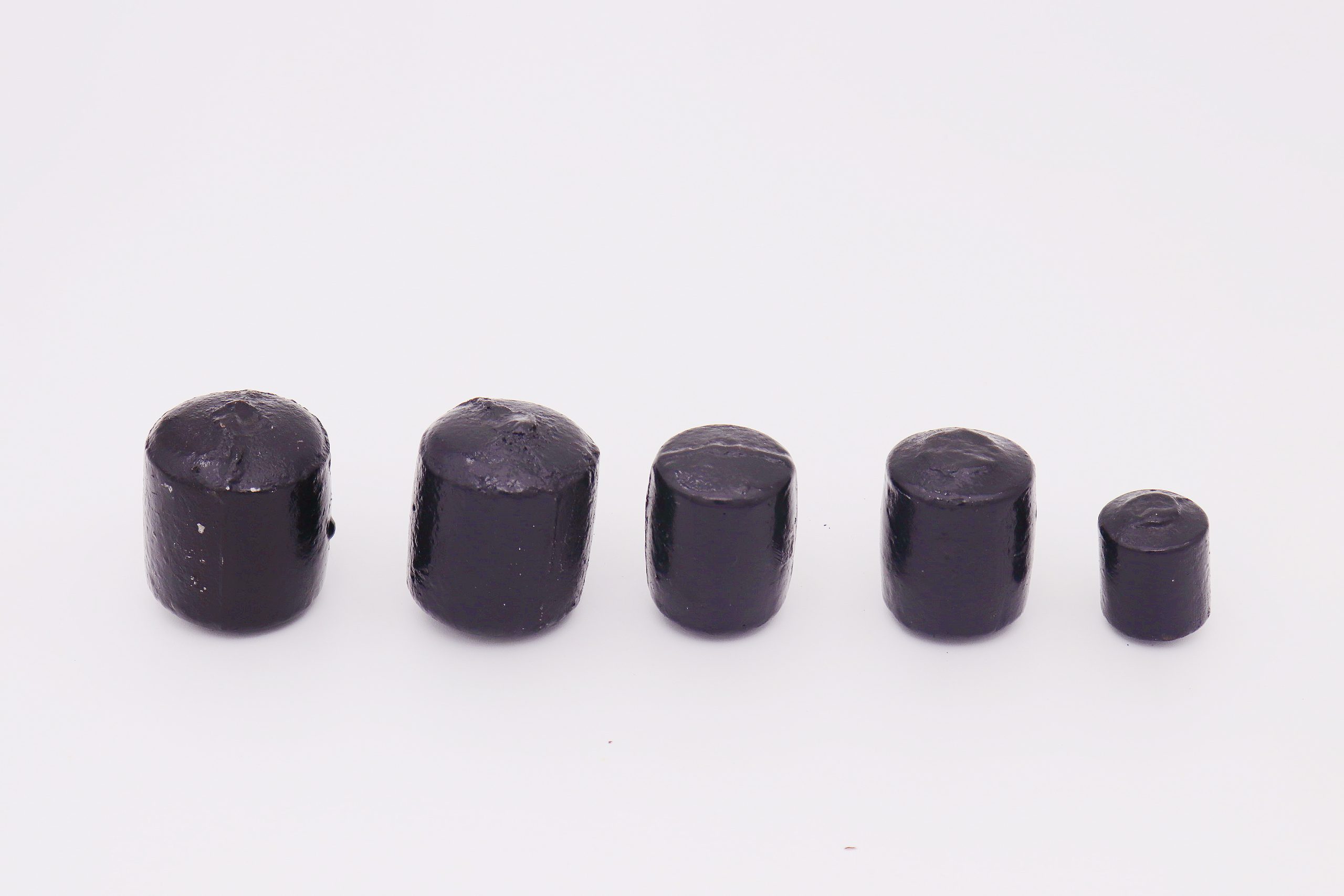
Shaped media for selected fine-grinding and rod-mill requirements.
View product ↗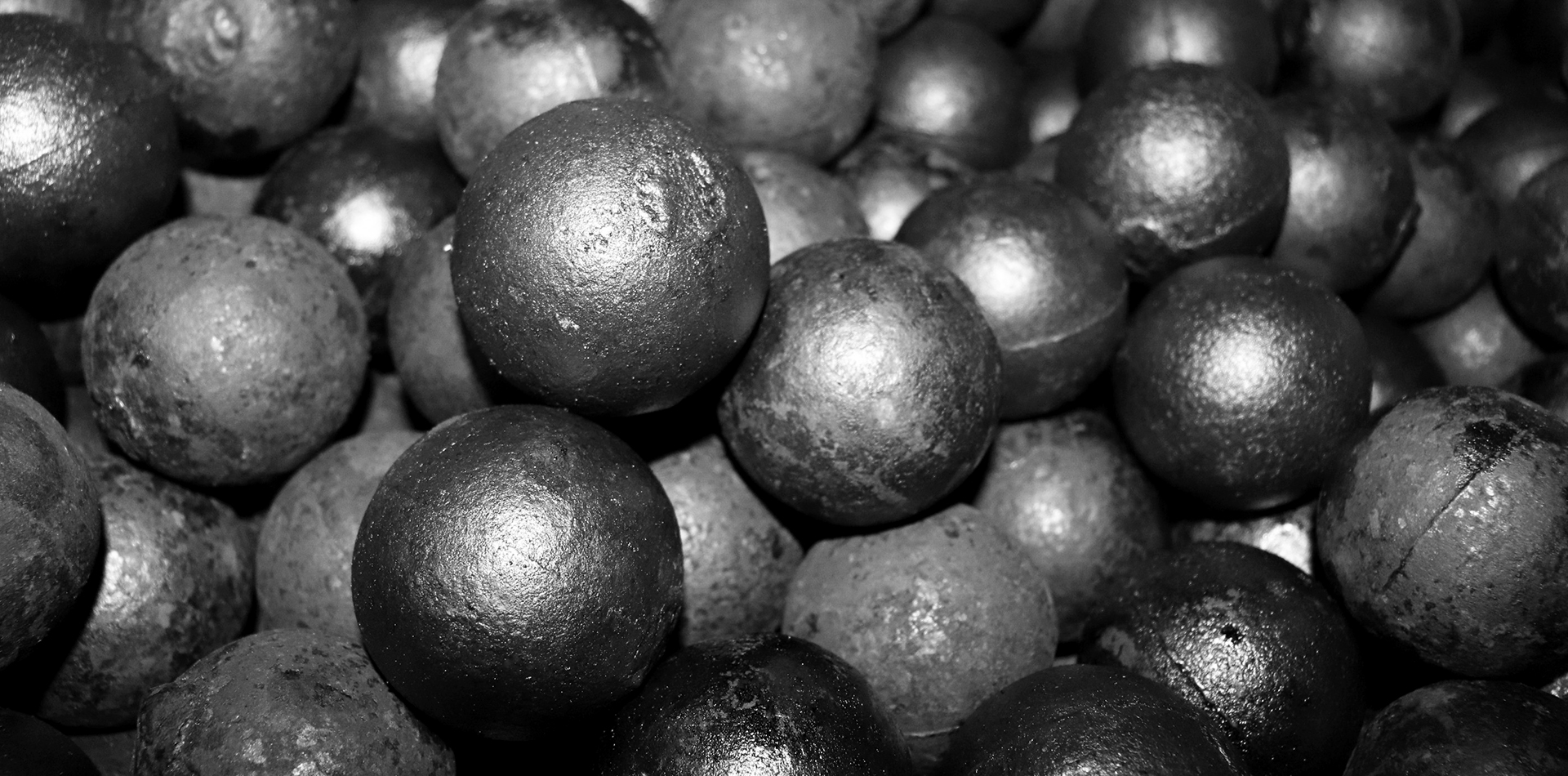
See how process, inspection and batch traceability support supply.
Explore system ↗Share the mill, feed, current media and improvement target. Our team will help organize the next technical conversation.
Submit Operating Data ↗
