


Material Chemistry
Feed composition and process additives can influence corrosion and compatibility.
Wear resistance balanced with chemistry, contamination and product requirements.
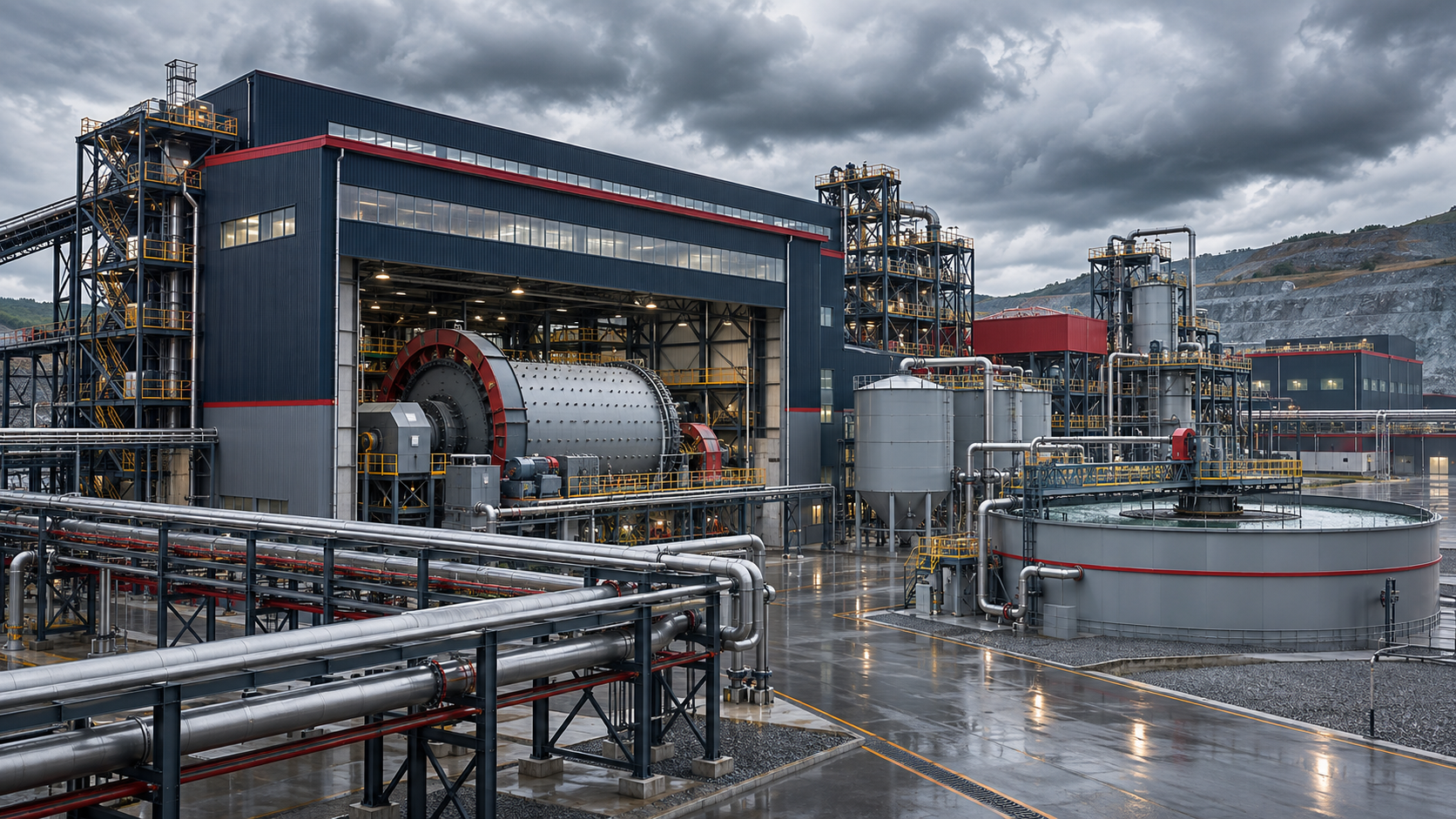 METALLURGY / CHEMICAL / INDUSTRIAL
In specialist grinding, the lowest wear rate is not always the only objective. Chemistry, contamination, corrosion, particle-size distribution and downstream use can all define the acceptable media route.
Start with the material and downstream requirement, then screen the media route.
Feed composition and process additives can influence corrosion and compatibility.
Metal pickup and wear debris may affect finished-product acceptance.
Required size distribution influences media size, geometry and mill residence.
Wet or dry duty, temperature and cleaning practice shape the specification.
| Feed | Material identity, abrasiveness, hardness, chemistry and incoming size |
|---|---|
| Product | Target size distribution, purity, color and downstream use |
| Mill | Type, dimensions, liners, speed, load and cleaning requirements |
| Environment | Wet or dry, liquid chemistry, pH, temperature and additives |
| Acceptance | Wear, integrity, contamination, process output and documentation |
When product sensitivity is high, define acceptance before selecting the trial media.
Confirm feed and downstream constraints.
Compare alloy, steel and geometry options.
Agree chemistry, hardness and integrity checks.
Introduce media under comparable conditions.
Review wear, output and product compatibility.
Product route is screened against process and finished-material constraints.
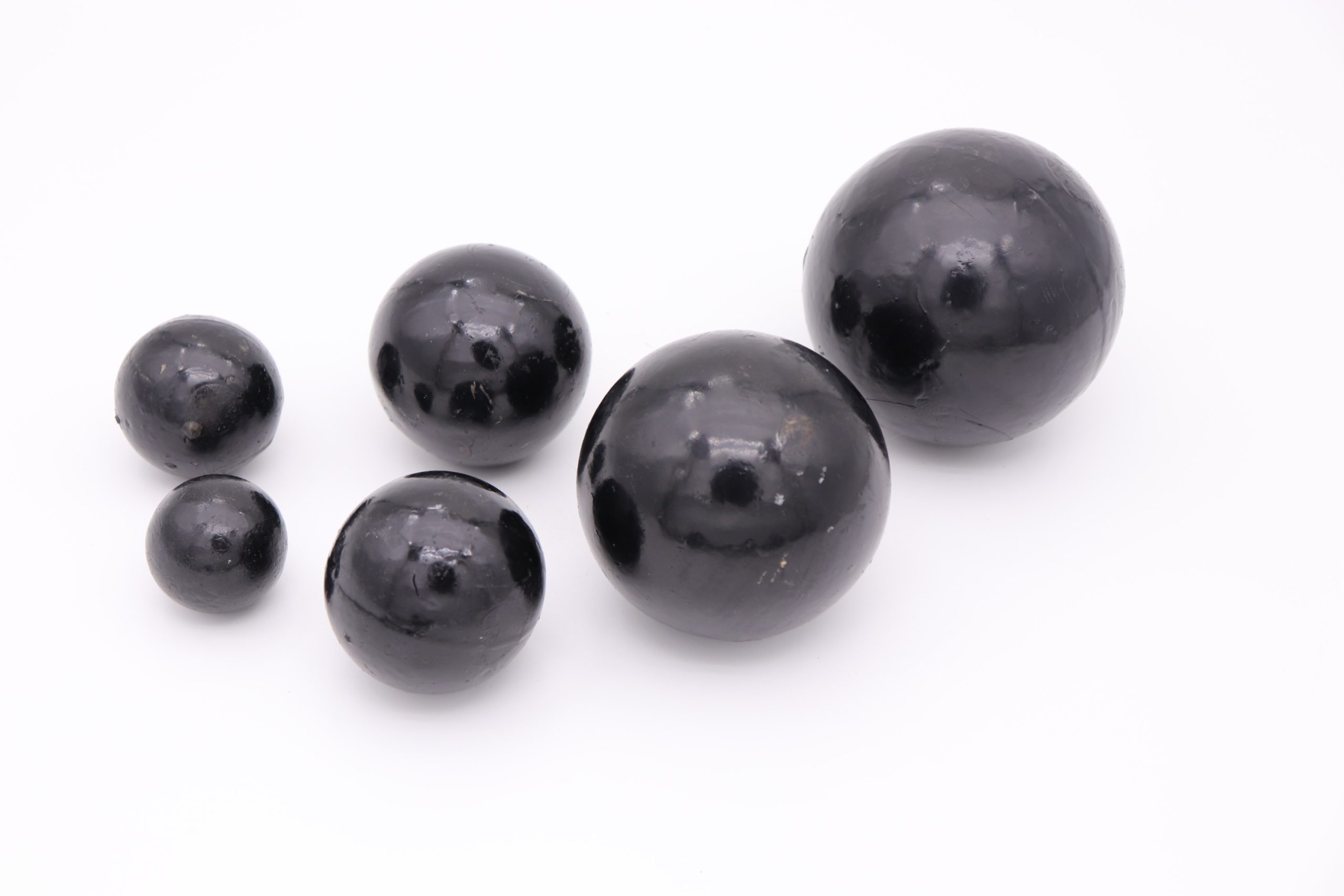
Controlled alloy families across a range of wear environments.
View product ↗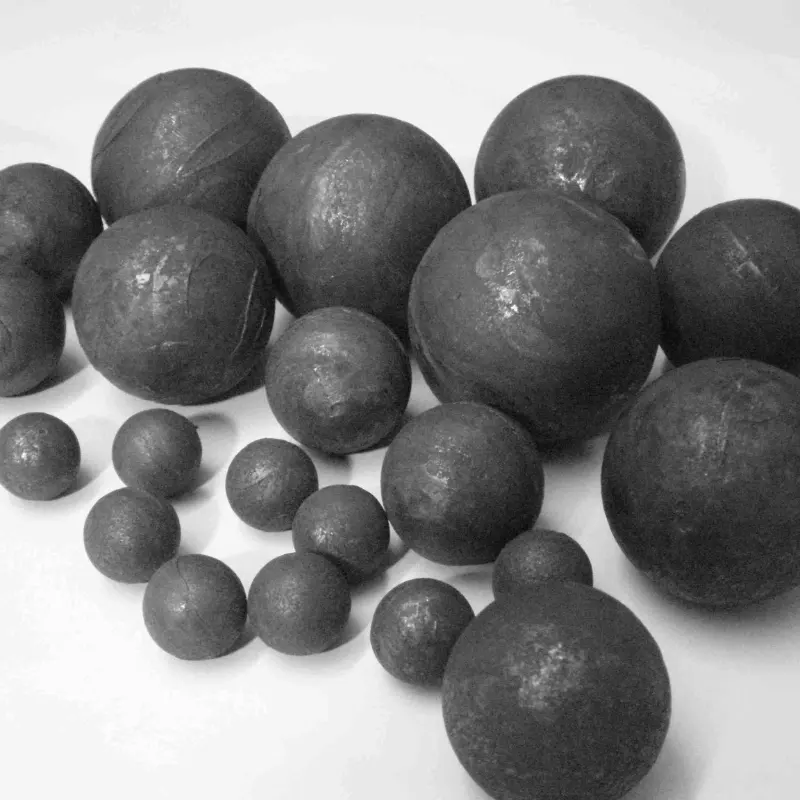
Steel media where toughness and impact integrity lead.
View product ↗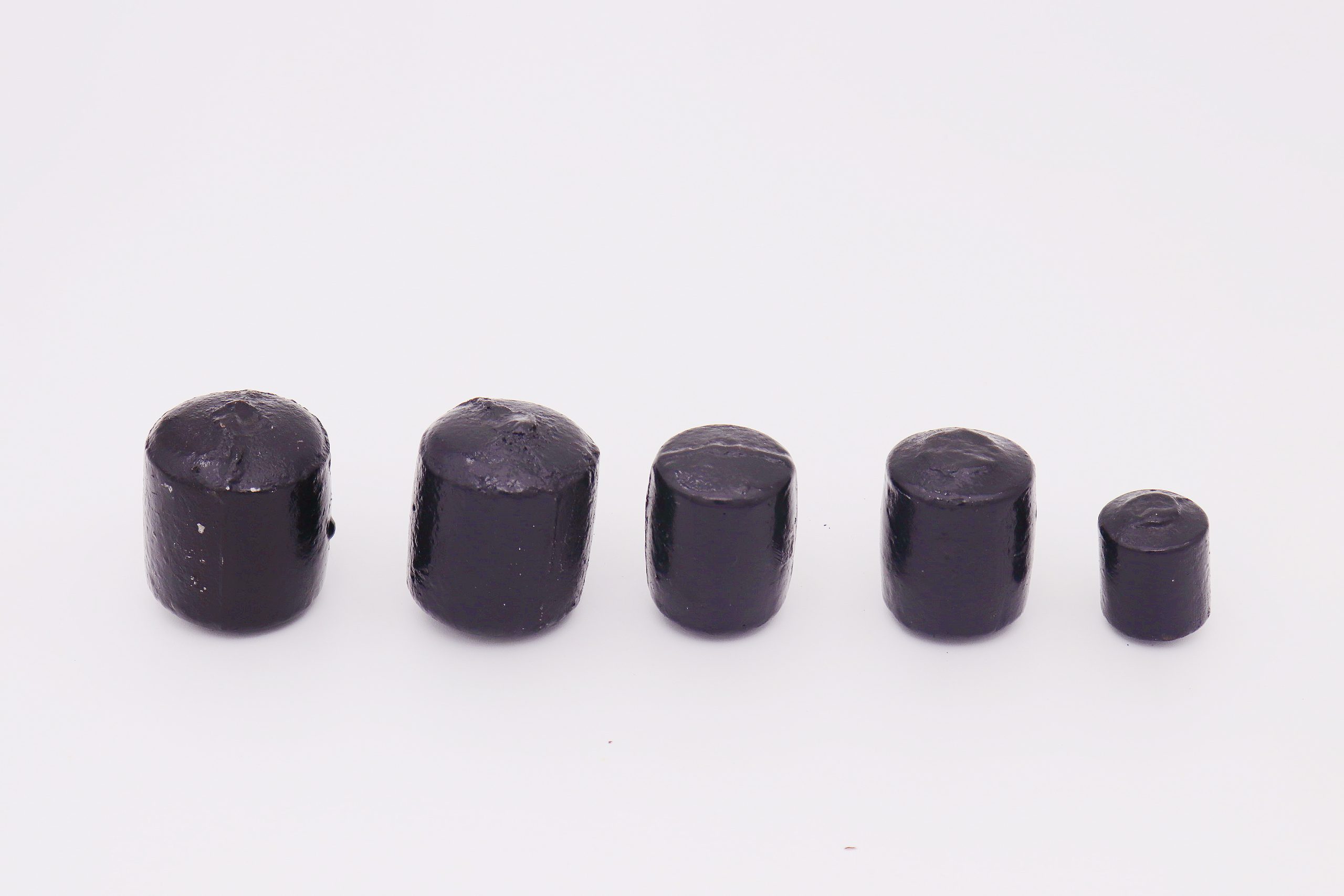
Alternative contact geometry for fine and rod grinding.
View product ↗Share the mill, feed, current media and improvement target. Our team will help organize the next technical conversation.
Submit Operating Data ↗
