


Steel & Forming
Material identity and deformation route shape the starting condition.
Steel grinding media considered where impact integrity, large diameter and core-to-surface consistency lead the decision.
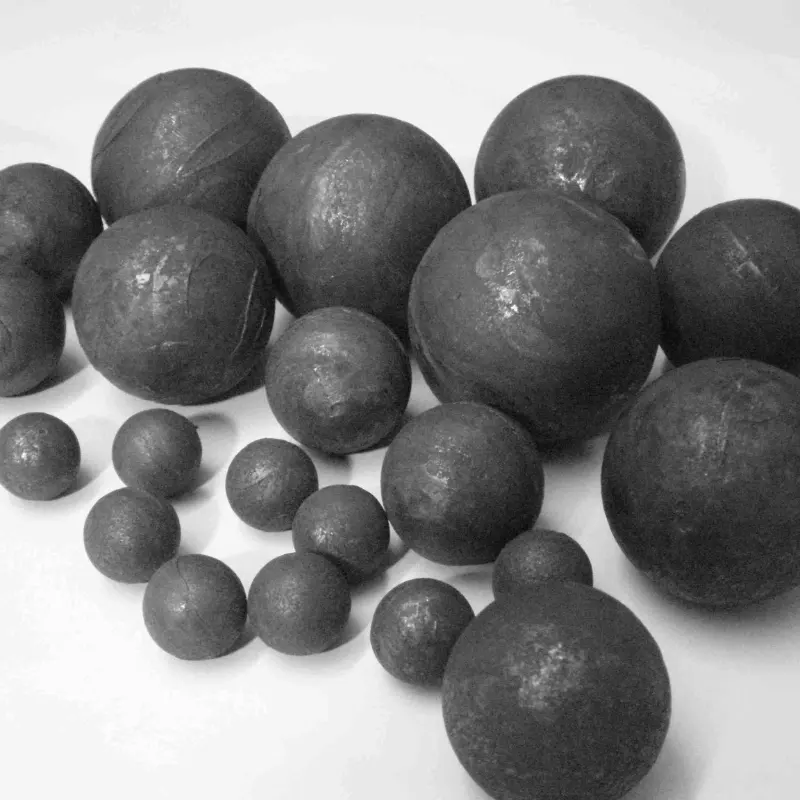
Forged or rolled steel balls use steel quality, forming and quench-temper control to develop surface-to-core performance. They are commonly evaluated for SAG and higher-impact ball-mill duty, subject to the final specification.
Ball diameter, drop height, liner profile, mill speed, feed size and abnormal impact conditions must be considered together.
Material identity and deformation route shape the starting condition.
Quench and temper control influence hardness gradients and stress.
Breakage and spalling need agreed test and site observation.
Compare wear and production under one controlled reporting basis.
Steel quality, forming route and quench-temper control should be reviewed together with impact level and required core behavior.
Confirm material identity, forming route, roundness and surface condition.
Define measurement method and expectations from surface toward the core.
Review breakage and spalling risk under the actual mill and liner conditions.
Compare consumption, shape retention and production-normalized performance.
Compare adjacent product routes before finalizing material, size, test and delivery requirements.

Alloy cast media for abrasion-dominant and balanced mill duties.
View product ↗
A ductile iron route considered where wear and toughness must be balanced.
Explore route ↗
Controlled length, straightness and end condition for rod mills.
View product ↗Share the mill, feed, current media and improvement target. Our team will help organize the next technical conversation.
Submit Operating Data ↗
